
Standing Equipment: what does the research say?
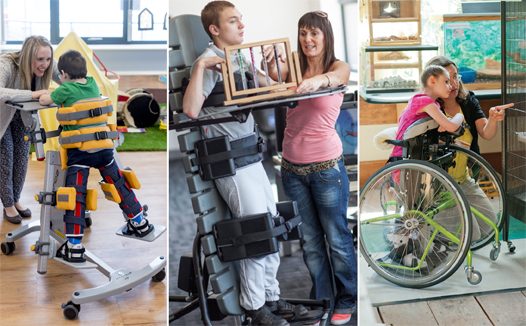
Rifton have recently released a webinar investigating Standing – What does the research say?
During the webinar, it was apparent that postural management matters, with a range of research to suggest that for children with cerebral palsy (CP), supported standing can help increase Bone Mineral Density (BMD), decrease tone and improve the range of motion (ROM).
One study suggests that weight bearing exercises have significant effect on improving BMD of the femur for children with CP, so it is important to ensure that whilst a child is in a standing position, weight bearing is actually occurring.
Further studies concluded that non-dynamic standing did not increase BMD and also caused more displacement, therefore by using a product such as the Rifton Mobile Stander, the risk of displacement can be minimised as a child engages with weight bearing/dynamic standing. As the child begins to spin the large wheels and navigate through their environment, natural weight shifting and bearing will occur.
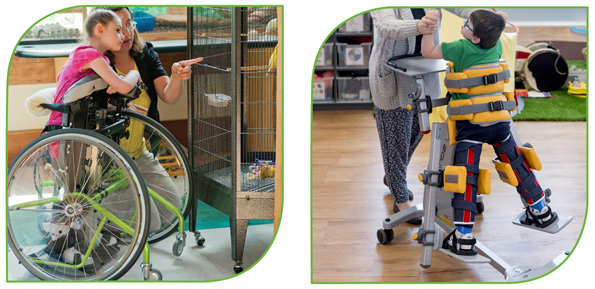
Interestingly, when looking into abducted standing, studies of children with CP saw there was less migration percentage of this hip joint. It has been clinically suggested to aim for 30◦ to 60◦ degree abduction to the hips for non-ambulatory children with spastic CP to assist in reducing subluxation or displacement. The Jenx Standz , a versatile system offering both prone and supine abducted standing for children aged 1-9 years, can help do just this by allowing the hips to be abducted individually up to 30◦, giving the child the full recommended 60◦ hip abduction. Click here to find out more.
To watch the webinar and for further study details, visit rifton.com
Click here to view the full standing range available from Jiraffe.