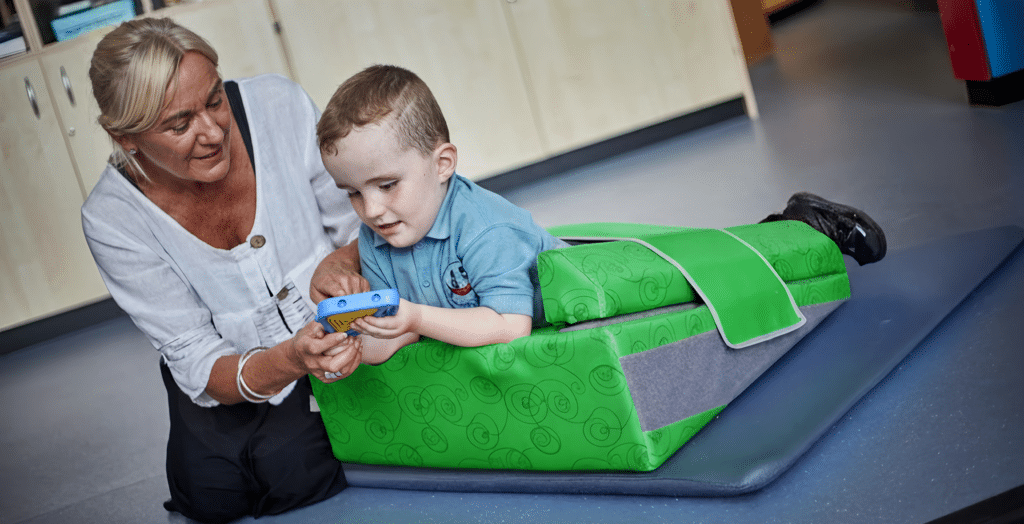
The postural care equipment guide for therapists supporting children with disabilities
As a paediatric therapist supporting children with disabilities that affect movement, posture, and coordination, you know how important it is for your patients to get early access to the equipment needed to provide holistic therapy and 24-hour postural care.
These interventions – which support children with sitting, standing and sleeping/lying – can prevent or delay deformity, secondary complications and enable children to feel happy, comfortable and participate in everyday activities like playing and learning.
Unfortunately a lack of specialist training opportunities and resources, coupled with capacity challenges and changing product availability, means that already overstretched therapists often face an uphill battle when it comes to keeping up to date with 24-hour postural care strategies and the equipment needed to provide it.
That’s why Jiraffe has launched Shape Their Day.
Shape Their Day Webinar
Shape Their Day is a dedicated educational platform that brings together practical education and product guidance to help therapists build their understanding of 24-hour postural management, explore where different equipment options may fit within wider therapy and posture care programmes, access free education and request practical guidance from Jiraffe’s product advisors.
For more than 40 years, our mission has been to enable each and every child to have the best possible opportunity of a functional, pain-free future. A mission we share with our amazing therapist community.
We hope that Shape Their Day, through its continuously evolving educational content and resources, can help you build important clinical knowledge and skills, supporting you to provide best-in-class 24-hour postural care that improves a child’s life, one day at a time.


Why postural care equipment matters across the 24-hour day
The right mix of postural care equipment is vital for delivering an effective whole postural care programme. Such equipment provides children with greater independence and confidence, allowing them to engage in play, learning and other daily activities essential for their development.
Physically, postural care equipment can help reduce pain and avoid ‘destructive postures’ which, if left unmanaged, can cause muscle contractures, joint subluxations and spinal curvatures.
For children who need postural support, sitting, standing and sleeping or lying should not be considered in isolation. A scoping review published in the British Journal of Occupational Therapy, identified the importance of examining posture collectively across these primary positions as part of effective 24-hour postural care.
The review noted that these positions are deeply interconnected, with lying positioning, for example, directly impacting the success of postural alignment when sitting. That is why a holistic approach to equipment, therapy goals and daily routines is so important.
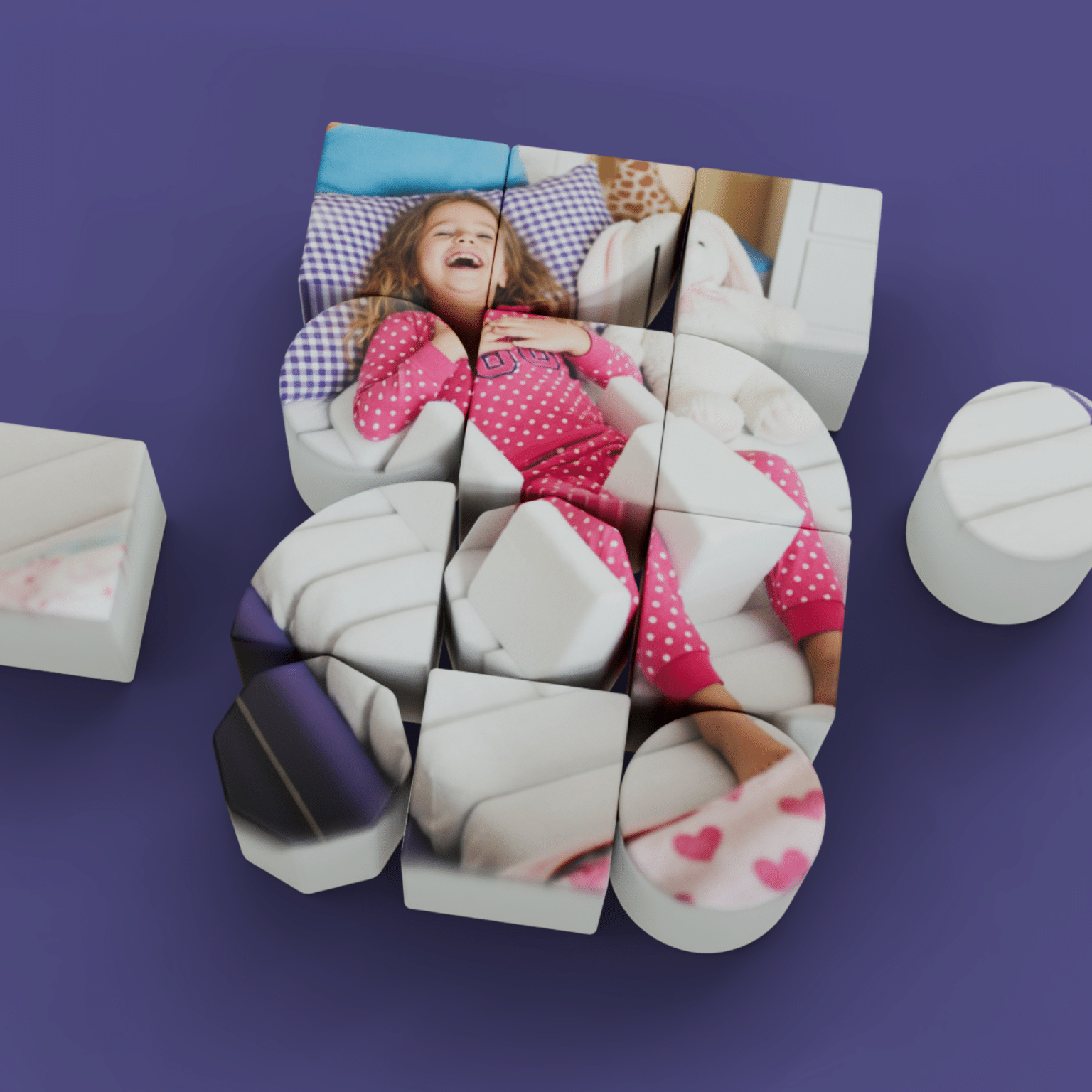
Equipment guide
Every person is different and equipment selection should always be guided by individual assessment. Factors such as tone, range of movement, comfort, pressure care, manual handling, family routines, school or nursery context and therapeutic goals can all influence what may be appropriate to consider.
The guide below explains where different products may fit across sitting and seated therapy, standing and sleeping or lying.

Sitting
Sitting safely and stably frees up a child to use their arms to learn, play, and engage in daily tasks, rather than wasting vital energy fighting gravity. It also frees up their carer to engage with them, improving development and relationships with loved ones.
When selecting sitting equipment, look for products that provide a precise, tailored fit that ensures core stability while offering optimal pressure distribution.
Example equipment
- Corner Seat
- Nursery Table
Standing
Support with standing can help improve bone mineral density, hip stability, range of movement in the joints, and muscle stretch. Standing also provides children with important psychological benefits, such as increased opportunities for social interaction and active environmental participation.
When selecting standing equipment, a therapist should look for a system that provides robust structural alignment to counteract gravitational forces while offering safe, progressive angle adjustments.
Example equipment
- Monkey
- Supine Stander
Sleeping
Posture management in a lying position is a crucial part of 24-hour posture management, owing to the length of time spent in bed and the body being more receptive to destructive lying postures when muscle tone is more relaxed. Positioning during the day can also be influenced by the position adopted overnight.
When selecting night-time postural equipment, look for a system that promotes symmetrical supine lying to balance muscle function, offers precise pressure distribution and seamlessly integrates with daytime seating as part of a cohesive 24-hour management plan.
Example equipment
- Dreama
Product features and overview
Equipment that may help your patient
Below are examples of equipment that may help the children you support to maintain a healthy posture across the three primary positions of sitting, standing and sleeping/lying. In each case, we have outlined its role in 24-hour posture management.
Please remember, every person is unique and equipment selection should always be guided by individual assessment. You can book a free assessment with one of our independent Product Advisors below.

Corner Seat
Who it supports
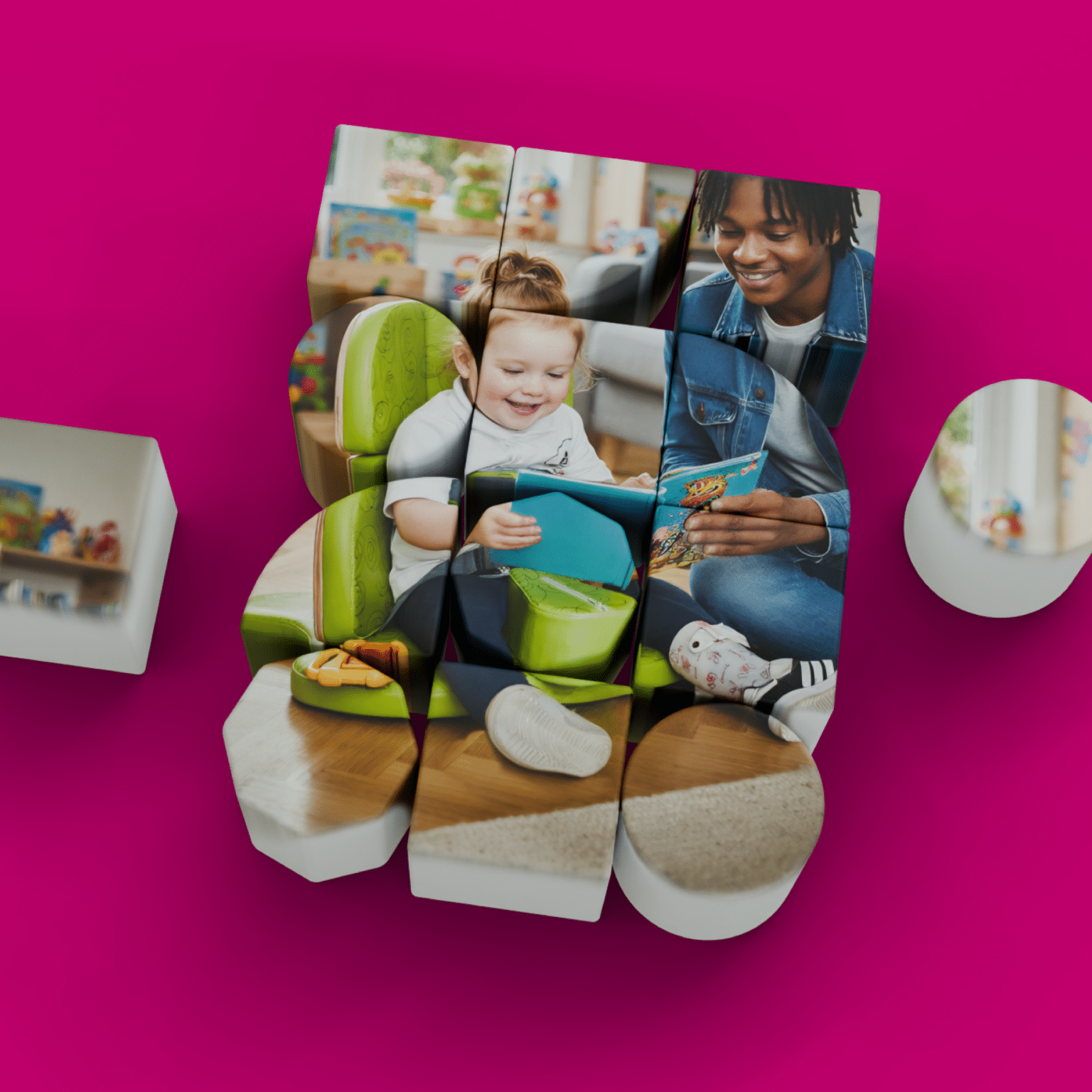
Adjustable floor-based seating system that supports infants and children with ‘long-leg sitting’, which is the first sitting posture they learn.

Nursery Table
Who it supports
A sturdy activity and work table designed for children aged 9 months to 6 years that enables them to engage in motor tasks, and play, promoting developmental progress.

Monkey
Who it supports
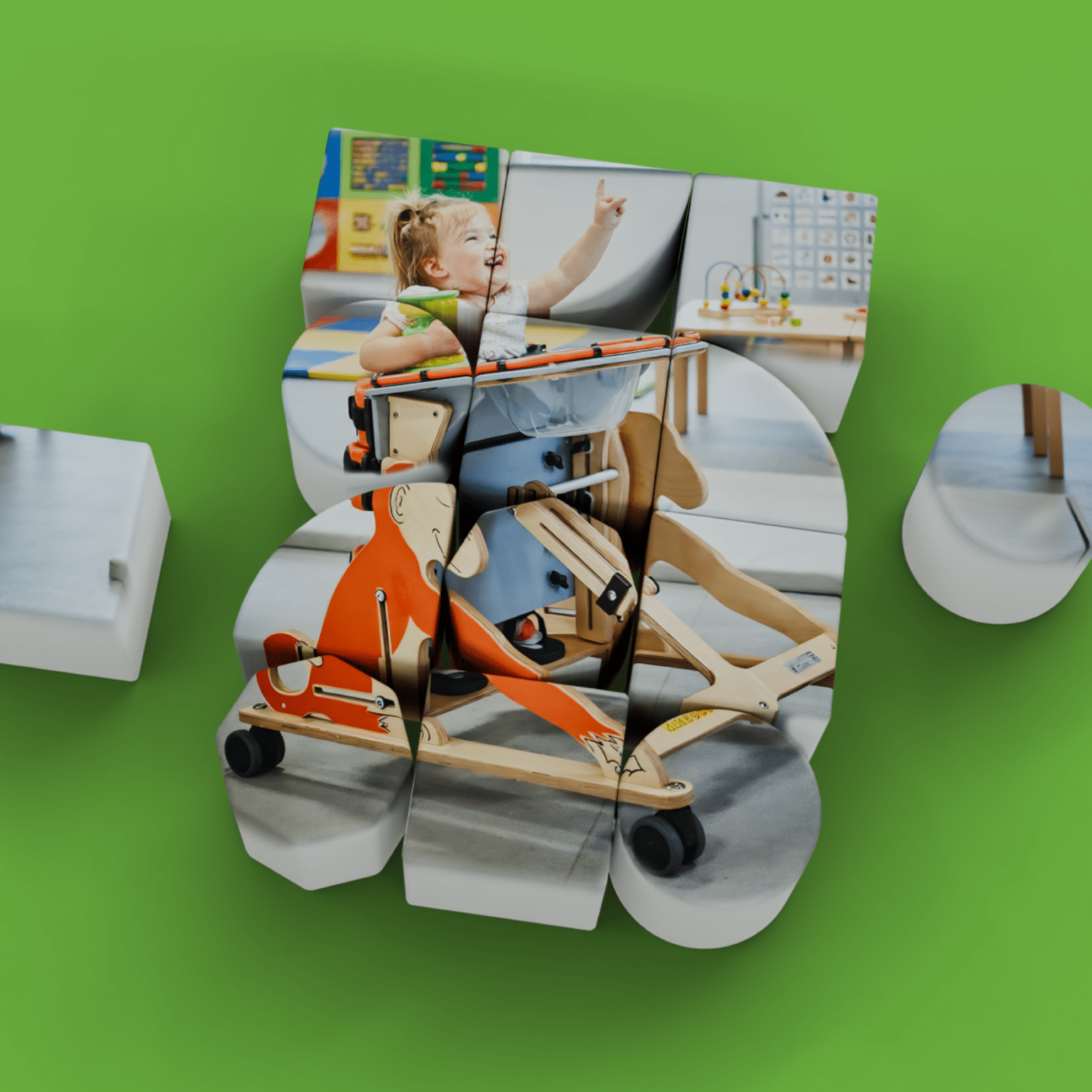
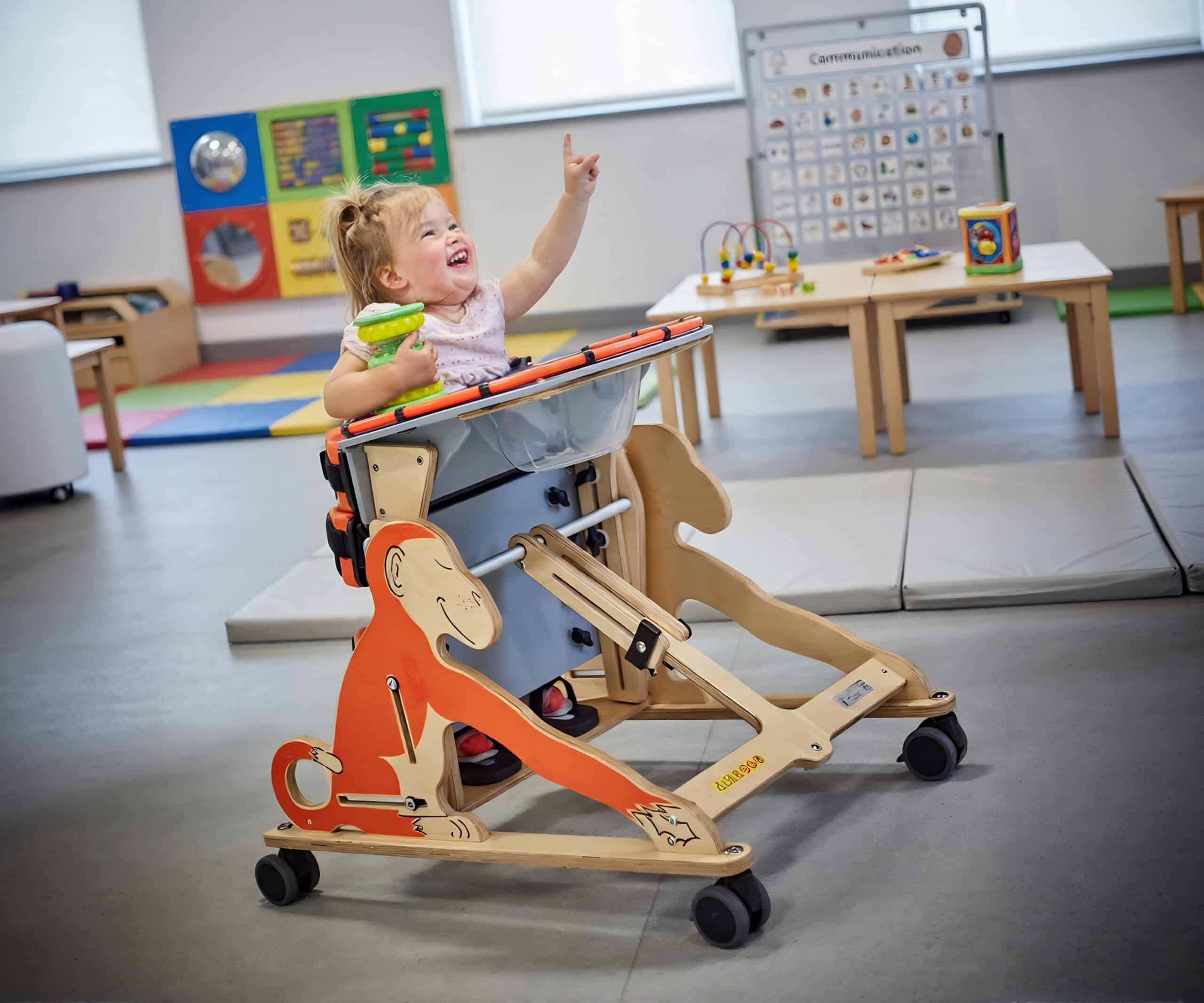
Adjustable standing system that provides a gentle introduction to standing for children aged 9 months to 4 years.

Dreama
Who it supports
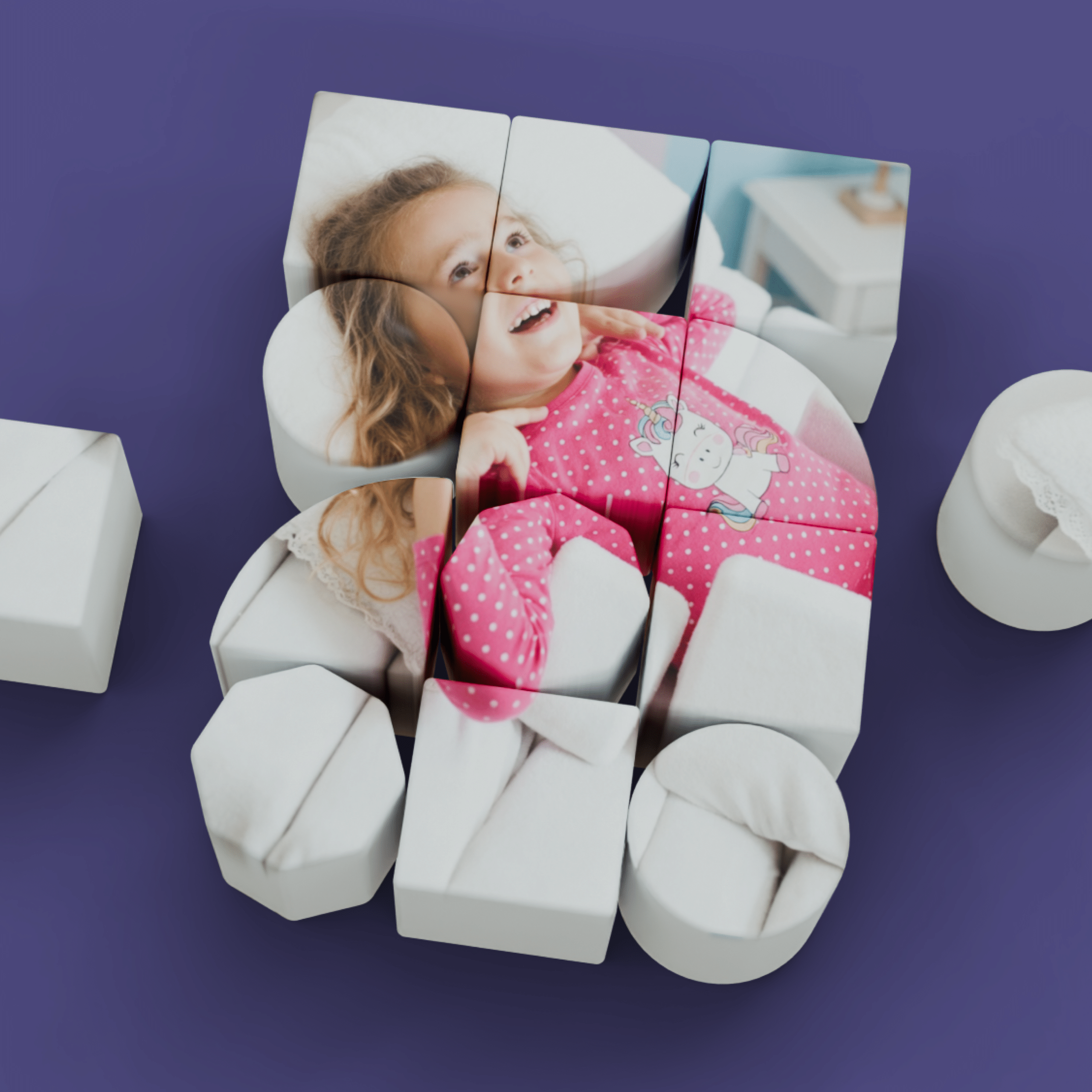
A modular lying support system that delivers continuous therapeutic positioning during rest and sleep. Suitable for children and adults.

Wedge
Who it supports
Bright, easy-to-use therapy aids that children can quickly start to benefit from without undergoing formal assessment. Can be used to offer lying in prone or supine and have accessories to enhance postural control and stability.
Product Advisors
If you would like specific advice on how to utilise equipment that supports sitting, standing or sleeping/lying as part of a 24-hour postural care management programme, our Product Advisors are happy to help.
Some are trained therapists themselves and all have experience in working together with therapists and families to support shared decision making. If you would like to discuss a particular case, have a question about a particular product or would just like to learn more about what is available, book an appointment using the button below.
Education & Training
We’re pleased to share a mix of educational and informative videos, provide access to interesting downloads and offer helpful content geared towards training opportunities for you and your colleagues.
To keep up to date with all our releases, follow us on Facebook, Twitter or subscribe to our YouTube channel!
Jiraffe 'How To' Videos
Take a look at our range of educational and informative ‘How To’ product videos where we show you how to make product adjustments across 12 seating, standing, mobility and sleeping products from the Jiraffe range. You’ll find a selection of easy-to-follow, quick clips.